Hedge Trimming in Willesden

Hedge Trimming Willesden provides a focused hedge cutting service for garden boundaries, frontages and planted screens across the local area. Our work is centred on keeping hedges neat, healthy and appropriately shaped, with attention to the finish a property needs as well as the practical limits of the plants themselves. Whether a hedge has grown uneven, become too tall, or simply needs seasonal maintenance, we trim with a view to clean lines, balanced growth and tidy edges.
We work on a range of hedge types and sizes, from compact decorative features to taller boundary hedges that need careful reduction and shaping. The service can include selective cutting, face and top trimming, light formative work and the removal of routine cuttings once the work is complete. Our aim is straightforward: to leave hedges looking managed rather than overworked, while respecting the natural habit of the plant.
For a clear quotation, start by sharing the hedge type, rough length, approximate height and whether access is straightforward. That basic information helps with scope and timing, and it is often enough to provide a practical starting point. If the hedge sits near a wall, fence, path or driveway, mention that too so the work can be considered properly. See pricing and quotes
Regular hedge care and seasonal trimming

Regular hedge maintenance is often the simplest way to keep a garden looking orderly. Rather than waiting for the hedge to become too wide or top-heavy, periodic trimming helps maintain shape and encourages denser growth. In many cases the work is as much about preserving a neat outline as it is about shortening new growth, so we plan each cut to suit the plant and the desired finish. This is particularly useful where hedges frame entrances, paths or boundary lines.
Different hedges respond differently to cutting, so the approach has to suit the species and the time of year. Some plants can tolerate firmer shaping, while others are best maintained with lighter and more frequent trimming. We keep the work measured and practical, aiming to avoid unnecessary stress on the hedge. If you are unsure how hard a hedge should be cut back, a sensible starting point is usually to trim only what is needed to restore shape and reduce overgrowth.
Useful details for a quotation are usually the hedge length, the highest point to be reached, whether both sides are accessible and whether clippings can be left for collection or should be removed. If the hedge borders a public path, driveway or neighbouring property, that may affect the way the job is approached. You do not need to prepare a full survey; a few clear notes are usually enough to begin the conversation.
Shaping boundaries, screens and formal lines

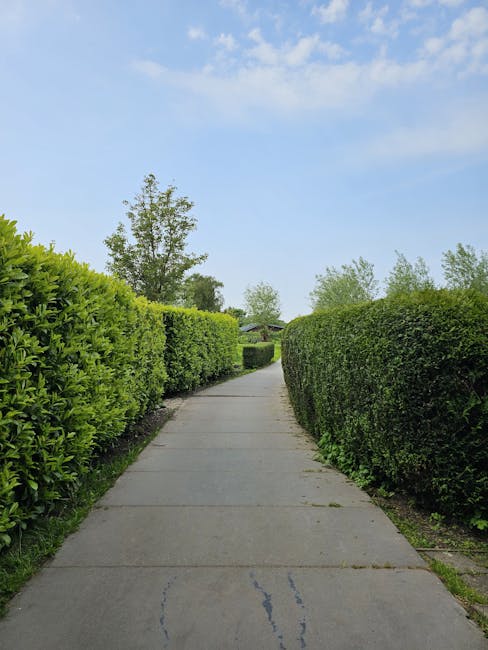
Hedges are often expected to do more than simply grow along a boundary. They may also provide privacy, soften hard edges or set the tone for the front garden. When we trim a hedge for shaping, the focus is on achieving an even profile, clean vertical faces where appropriate and a top line that suits the garden rather than fighting against it. That can mean preserving a formal, straight-edged look or creating a gentler, more natural outline.
In practical terms, shaping work can involve reducing overhang, correcting uneven sections and bringing back definition where growth has become patchy or misshapen. Where hedges have been left for a while, the first cut may need to be conservative so the final form remains healthy and manageable. We take care to keep the hedge visually consistent, because the most successful finish usually looks deliberate rather than heavily reworked.
If you want to request a quotation, it helps to note whether the hedge should be trimmed only, reduced in size or reshaped more fully. View our services overview can also help if you are comparing hedge trimming with related garden work such as broader maintenance or clearance. A brief description of the hedge and a couple of photographs can make it easier to understand the job, but a short written summary is still useful on its own.
Access, boundaries and careful working
Some hedge trimming jobs are straightforward, while others require more care because of limited access, nearby planting or adjacent structures. Narrow side passages, sloping gardens, high hedges and boundaries next to fences or walls all call for a considered approach. We work with the space available and aim to avoid unnecessary disturbance to surrounding beds, paving and features. That matters just as much as the cut itself when the hedge forms part of a more carefully kept garden.
Where access is tighter, planning becomes part of the service. It may be necessary to trim in stages, work from one side only or adapt the method to suit the available reach. The right approach depends on what can be safely and neatly achieved without forcing the hedge into an unnatural line. In some cases, a lighter trim is preferable to a heavy reduction, especially where the hedge supports privacy or screens a neighbour’s outlook.
For a quote, it is helpful to mention any gates, side passages, awkward corners or fragile areas near the hedge. Contact us if you would like to describe the work directly, especially where access or boundary arrangements need a little more explanation. A clear starting point saves time and helps ensure the trimming plan reflects the real conditions on site.
What hedge trimming can include

Hedge trimming is not one single method, because the condition of the hedge and the result you want both shape the work. In some cases the priority is a clean seasonal tidy-up; in others it is a fuller reduction in width or height, followed by careful refining. The service can include face trimming, top cutting, straightening of the outline and, where suitable, a gentle correction of uneven growth. We always try to keep the result practical as well as tidy.
Depending on the hedge, the work may also involve dealing with small amounts of dead or weak growth that interrupt the appearance of the finished line. This is usually handled as part of a sensible trim rather than as a separate treatment. If the hedge has become broader than you would like, the profile can often be brought back in stages rather than cut severely in one go. That allows the hedge to remain healthy while gradually regaining a more compact shape.
Common hedge trimming tasks can include:
- routine seasonal cutting to maintain shape
- reducing overlong sides and tops
- restoring a tidy boundary line
- balancing uneven sections
- clearing and tidying cut growth afterwards
Pricing factors and quotation details
Hedge trimming prices are usually influenced by the hedge’s size, access, height, overall condition and the amount of cut material produced. A long, tall or very dense hedge generally takes more time and handling than a small ornamental one. The amount of shaping required also matters, because a simple maintenance trim is different from bringing a neglected hedge back under control. Any need for careful working near surfaces, fences or other planting can also affect the scope.
When you ask for a quotation, try to describe the hedge as plainly as possible. Length, average height, one-sided or two-sided access and whether the hedge sits in the front or back garden are all useful points. If there are several hedges, list them separately so the work can be considered accurately. We use that information to understand the job properly before any visit or further discussion, which helps keep the process straightforward.
For a simple next step, you can send the key measurements first and add extra detail afterwards if needed. Garden maintenance may also be worth reviewing if your hedge trimming forms part of wider seasonal care rather than a one-off visit. Clear details lead to clearer quotes, especially where the hedge has been left to grow quite freely.
Preparing for a hedge trimming visit
A little preparation can make hedge trimming easier to carry out neatly. If the hedge borders a path, driveway or patio, moving items away from the working area helps create enough space to cut and collect clippings efficiently. It is also useful to point out any delicate plants, ornaments or low fixtures that should be avoided. These small steps are not essential in every case, but they can improve the ease and precision of the work.
It is also sensible to confirm whether there are any sections you particularly want left alone, such as new shoots, privacy screens or areas that have only recently been cut. Different hedges can look best with different levels of reduction, so a short note about the desired finish is often helpful. If the hedge is mixed with other planting or has been allowed to grow into adjacent areas, that is worth mentioning too, because it changes the way the job is approached.
If you are ready to talk through the work, read about us for a bit more background and then request a quotation. We can then consider the hedge, the access and the finish you want in a practical way. The more precise your brief, the easier it is to quote for a trim that matches the garden and the boundary properly.
Hedges alongside wider garden work
Hedge trimming often sits alongside other garden tasks rather than standing entirely on its own. A hedge may need cutting at the same time as lawn work, light clearance or broader maintenance, especially where growth has spread into paths or corners. Keeping the hedge and the surrounding area in step can make the whole garden look more intentional. For many properties, the most useful result is not just a tidy hedge but a more coherent overall boundary.
Where hedges are part of a larger outside space, the timing of the work can matter. Trimming may be planned before a general tidy-up, or after other tasks that remove clutter from the garden and make the hedge easier to reach. If the hedge runs close to decking, beds or hard landscaping, the finish also needs to be considered in relation to those features. A balanced approach helps the hedge sit properly within the space rather than dominate it.
Landscape gardening is relevant where hedge trimming forms part of a broader reshaping of the garden layout, while lawn mowing can complement a hedge trim when you want the whole outdoor area to feel more orderly. If your hedge work is tied to a wider tidy-up, it is usually best to mention that when asking for a quote so the full scope can be understood.
About Willesden
Willesden is an area in northwest London within the London Borough of Brent, with a long history that reflects its shift from a rural parish to a densely built urban district. In earlier centuries it was a small settlement recorded in medieval sources, but by the nineteenth century rail and suburban growth were changing it rapidly. The modern area is shaped by that layered history, with older streets and churches alongside later housing, shops and transport corridors. Willesden Green, in particular, is commonly associated with the area and gives it a recognisable centre of activity. The district is also linked by strong transport connections, including the Jubilee line, which helped establish it as part of the wider north-west London commuting belt. Architectural character varies from terrace streets and interwar housing to later developments, and that mix gives the area a varied streetscape rather than a single uniform identity. Parks and open spaces also form an important part of local life. Roundwood Park, for example, is one of the better-known green spaces nearby, while Gladstone Park lies a short distance away and is widely used for walks and views across the city. Places of worship, community venues and local shopping parades add to the everyday feel of the district, and the name Willesden is often associated with a busy, well-connected neighbourhood that still retains pockets of distinct local character. The area’s history, transport and housing patterns together make it a recognisable part of London rather than a simple residential label.
Tree and larger growth work
Although hedge trimming is our main focus, some gardens also contain larger woody growth that needs separate attention. In those cases, it is important to distinguish between shaping a hedge and dealing with taller or more established growth that may need a different method. Where suitable and properly identified, the work may extend to the careful reduction or removal of larger material, always with attention to the structure left behind. That distinction helps avoid treating every boundary plant in the same way.
We approach this kind of work cautiously because larger growth can affect light, access and the overall balance of the garden. A hedge that has become heavily overgrown may benefit from a staged plan rather than a single heavy cut, particularly where long-term shape and plant health matter. The finished result should be realistic for the species and the site. A tidy boundary is useful, but an abrupt cut can create a poor outcome if it is not suited to the hedge’s condition.
Tree lopping and removal is a separate service area for stronger or taller growth that goes beyond ordinary hedge trimming. If you think your boundary planting may need both hedge work and larger growth assessment, it is worth mentioning that from the start. That allows the right sort of job to be discussed rather than forcing everything into one category.
Finishing touches and follow-on care
The finish matters after the cutting is done. A well-trimmed hedge should look deliberate from the garden side and, where relevant, from the street side as well. That means checking for stray shoots, uneven edges and overlong tips that interrupt the line. Where suitable, the clippings are cleared away so the border and surrounding area are left looking neat. The aim is a clean result that makes the hedge easier to maintain next time.
After a trim, some hedges benefit from lighter follow-on care during the growing season to preserve the line that has been created. That may simply mean keeping an eye on new growth so it does not quickly undo the shape. For hedges that are used as screening, the goal is often a tidy but still effective boundary, rather than a severe reduction. Careful maintenance keeps that balance in place for longer and can reduce the amount of corrective work needed later.
When you are ready to move forward, use the service pages that best match your wider garden plans and then ask for a quotation. Garden clearance is useful where hedge trimming is part of a larger tidy-up, and the final step is simple: send the details, describe the finish you want and request a quotation for hedge trimming in Willesden.