Brent council rules for Willesden hedge permits: a practical guide for local hedge work
If you are trying to make sense of Brent council rules for Willesden hedge permits, you are probably not looking for theory. You want to know whether you can trim, reduce, or remove a hedge without causing a headache, and what to do if the hedge sits near a boundary, a pavement, or a protected tree. Fair enough. In Willesden, the answer is often less about a single "permit" and more about planning, boundary rights, neighbour issues, highway safety, and whether the hedge is protected in some way. That is the bit people trip over.
This guide breaks the subject into plain English. You will learn how the rules usually work, when permission may be needed, what evidence to gather, and how to avoid the common mistakes that turn a routine garden job into a council enquiry. We will also point out where professional hedge care, such as hedge trimming and broader garden maintenance, fits into a sensible compliance-first approach. Because let's face it: no one wants to spend a Saturday arguing about a hedge line.
Table of Contents
- Why Brent council rules for Willesden hedge permits matters
- How Brent council rules for Willesden hedge permits works
- Key benefits and practical advantages
- Who this is for and when it makes sense
- Step-by-step guidance
- Expert tips for better results
- Common mistakes to avoid
- Tools, resources and recommendations
- Law, compliance, standards, or best practice
- Options, methods, or comparison table
- Case study or real-world example
- Practical checklist
- Conclusion
- Frequently asked questions
Why Brent council rules for Willesden hedge permits Matters
Hedges look simple from the pavement. Green, tidy, harmless. But once a hedge is tall, close to a public path, on a boundary, or affecting light and access, it stops being just "garden work" and starts touching planning, safety, and neighbour rights. That is why Brent council rules for Willesden hedge permits matter.
First, they help you avoid doing work that may need prior approval. A hedge that seems ordinary could be connected to a tree preservation order, a conservation setting, or a boundary dispute. Second, they reduce the risk of nuisance. Overgrown hedges can block sightlines, overhang pavements, reduce daylight, and create tension between neighbours. Third, they help protect the look and function of the street. In dense London areas, one unmanaged hedge can affect a whole stretch of frontage. You notice it quickly, especially on a narrow road after a wet week when the path gets slippery and leaves cling to shoes.
There is also a practical reason. If you trim without checking what applies, you may have to redo work, pay again, or answer awkward questions later. That is the sort of thing that turns a half-day task into a two-week delay. To be fair, most people only want their garden to look neat and safe. The rules exist to make that possible without upsetting the wider area.
Expert summary: in Willesden, hedge work often needs a quick reality check before the first cut. The question is not just "Can I trim it?" but "Is this hedge ordinary garden maintenance, or does it sit inside a rule set that needs care?" That one question saves a lot of trouble.
How Brent council rules for Willesden hedge permits Works
The phrase "hedge permit" is often used casually, but in practice the process can involve several different things. Some jobs are routine maintenance. Others may need consent, notification, or written confirmation depending on the hedge's location and status. The council itself may look at the hedge from a planning, amenity, highway, or environmental angle.
In simple terms, the process usually starts with identifying four things:
- where the hedge sits
- how tall, wide, or intrusive it is
- whether it borders a public highway or footpath
- whether it is connected to a protected tree, conservation area, or boundary issue
If the hedge is fully within your garden and does not affect anyone else, the job is usually straightforward. If it is on a frontage, beside a pavement, or part of a screen boundary, you should slow down and check the details. That is where many Willesden homeowners call for help, especially when the hedge has not been cut properly for a while and the growth is uneven, woody, and a bit stubborn at the base.
Good hedge work also depends on the season and the hedge species. Some plants recover better from cutting than others. A hard cut in the wrong month can leave gaps, scorch, or dieback. A careful services overview helps you think beyond one-off trimming and look at the whole garden picture, including whether you also need tree lopping and removal if a tree is affecting the hedge line or casting too much shade.
The main point is this: council rules are less about "permits for every hedge" and more about whether the work crosses a boundary where public interest, neighbour rights, or protected assets come into play. That is the real framework.
Key Benefits and Practical Advantages
Following the right process is not just about compliance. It brings day-to-day benefits you actually feel.
- Fewer disputes: when you know what applies, you can explain the work clearly to neighbours and avoid unnecessary friction.
- Better garden presentation: hedges look sharper when they are cut with a plan rather than hacked back in a rush.
- Safer access: tidy edges reduce obstruction to pavements, driveways, bins, and gates.
- Healthier growth: planned pruning is usually better for the hedge than reactive cutting.
- Lower rework risk: you are less likely to be asked to redo a job because a rule was missed.
There is also a quieter benefit: confidence. When you understand the likely requirements, you stop second-guessing every step. You can choose whether to do the work yourself, book professional hedge care, or pair the task with wider garden tidying such as garden clearance after seasonal growth has built up. That sort of joined-up thinking saves time. And, honestly, it saves energy too.
Another practical advantage is budget control. If you know a hedge may involve extra checks or more careful work, you can factor that in before committing. No surprise costs halfway through. People appreciate that more than they say out loud.
Who This Is For and When It Makes Sense
This topic matters to a few different groups, and each one comes at it from a slightly different angle.
Homeowners in Willesden often need clarity before they trim a front hedge, reduce height, or shape a boundary screen. If you have just moved in, the previous owner may have left the hedge in a state that is, well, a bit optimistic. You need to know where your responsibilities begin and end.
Landlords and letting agents need hedge work to support kerb appeal, tenant safety, and a tidy inspection standard. A scruffy frontage can make the whole property look neglected, even if the inside is spotless.
Neighbouring property owners may need to understand whether shared boundaries or overhanging growth create rights or obligations. Hedge disputes are rarely dramatic at first; they usually start with one branch, one complaint, and a slightly awkward chat over the fence.
Property managers and small businesses may need hedge maintenance as part of wider exterior upkeep. If the frontage is part of the brand, the hedge becomes a visual asset rather than background greenery.
It also makes sense whenever the hedge is near a highway, blocks sightlines, shades a room, or has grown into something more structural than decorative. If you are already considering wider outdoor improvements, landscaping or landscape gardening may be worth thinking about alongside the hedge work, especially where a better layout would reduce future maintenance.
Step-by-Step Guidance
If you want a calm, sensible way to deal with hedge permissions and pruning in Willesden, use this sequence.
- Inspect the hedge from all sides. Check where it begins and ends, whether it sits on a boundary, and whether it overhangs any public area.
- Identify the type of work. Is it light trimming, major reduction, removal, or reshaping? The bigger the intervention, the more likely checks matter.
- Look for protection or sensitivity. Consider nearby trees, conservation constraints, and whether the hedge may have a special amenity role.
- Check neighbour impact. Ask whether the hedge affects light, access, privacy, or outlook on either side of the boundary.
- Plan the timing. Choose a time that suits the plant, the weather, and the practicalities of debris removal. Wet clippings on a driveway are not fun. Nobody enjoys that slimy shuffle.
- Decide on the method. A tidy trim may be enough. A neglected hedge may need gradual restoration over more than one visit.
- Prepare waste handling. Cuttings, brash, and soil build-up need sorting. If the job is substantial, combine it with a proper tidy-up or recycling and sustainability minded disposal plan.
- Document what you did. Keep photos and notes, especially if the hedge is boundary-related or could prompt questions later.
A simple rule of thumb: if you are uneasy before the first cut, pause. A short pause is cheaper than a correction. If the hedge is part of a larger upkeep programme, pairing it with routine garden maintenance can prevent the same issue from repeating in six months.
Expert Tips for Better Results
The best hedge jobs usually look easy, but they have a few things going on behind the scenes.
Tip 1: trim for shape, not just size. A hedge that is cut narrower at the top and broader at the base usually stays healthier and looks more balanced. Straight vertical sides all the way up can work for formal hedges, but they are not always the best choice for older shrubs.
Tip 2: work in stages for neglected hedges. If a hedge has been left for years, reducing it too hard in one visit can shock the plant and look blunt. A staged approach is often safer and more attractive.
Tip 3: keep the line honest. Small irregularities become obvious once light hits the hedge in the afternoon. One crooked section can stand out from the road. A straight line matters more than people think.
Tip 4: think about drainage and access. Heavy clippings can block drains or sit across paths if you do not clear as you go. On a damp morning, that can turn messy fast.
Tip 5: check the front boundary before cutting. If a hedge fronts a pavement or road, visibility and safe passage are part of the picture. Do not assume "it is on my land so it is fine." That assumption causes trouble more often than almost anything else.
Tip 6: use the right scale of service. A quick trim, a full restoration, or a wider garden tidy are different jobs. If you also need a reset of the rest of the plot, garden clearance can support the hedge work and make the result feel complete rather than half-done.
Truth be told, the neatest hedge work is rarely the fastest. It is the work that leaves the garden looking calm afterwards. That is the real goal.
Common Mistakes to Avoid
Most issues happen because people rush. Not because they are careless, just because hedges feel like an easy Saturday job. Then the ladder comes out and things become less easy.
- Assuming every hedge needs the same treatment. Different hedge types respond very differently to cutting.
- Ignoring boundary lines. If the hedge is shared or disputed, do not cut first and ask later.
- Overcutting in one go. Heavy reduction can leave the hedge stressed, patchy, or discoloured.
- Forgetting about pedestrians and neighbours. A hedge can be technically yours and still create issues if it obstructs access or sightlines.
- Leaving cuttings in place too long. They look messy, attract moisture, and make the space feel unfinished.
- Skipping the paperwork. A few photos and a note to yourself can help later, especially if anyone asks what changed.
One more thing. Do not rely on memory from a previous house or another borough. Brent, and a Willesden street in particular, may have its own practical quirks. A rule that was fine somewhere else is not a free pass here. Slightly annoying, yes. But useful to know.
Tools, Resources and Recommendations
You do not need a van full of specialist kit for every hedge job, but the right tools make a huge difference to the quality and safety of the work.
Useful tools and equipment:
- manual hedge shears for careful shaping
- long-reach trimmers for taller hedges, used carefully
- loppers for thicker, woody stems
- gloves and eye protection
- tarpaulins or collection sheets for cuttings
- sturdy ladder access where appropriate and safe
Practical resources:
- site photos showing hedge height, frontage, and boundary position
- a rough garden sketch with the hedge line marked
- previous maintenance notes, if you have them
- neighbour conversations in writing when boundaries are sensitive
- your own checklist before starting the work
If you are booking help, compare not only price but also what is included. A quote for hedge trimming may be different from a quote that includes cuttings removal, access work, shaping, and follow-up tidying. If you want to get a sense of how a provider handles quoting, start with pricing and quotes. It is also sensible to check insurance and safety, especially when ladders, public-facing front gardens, or heavier reductions are involved.
And if your hedge work is part of a broader refresh, you may want to explore landscaping or even small upgrades like decking services where the garden layout needs a smarter structure. Not every hedge job stands alone. Sometimes it is one part of a bigger fix.
Law, Compliance, Standards, or Best Practice
Without pretending this is a legal opinion, there are a few accepted principles worth keeping in mind.
In the UK, hedge work can intersect with planning controls, property boundaries, nuisance, highway safety, and tree protection. The exact position depends on the facts. That is why careful checking matters. A hedge may be ordinary domestic planting, but if it forms part of a protected setting or affects public access, the job may need more scrutiny. If you are unsure, treat uncertainty as a signal to pause rather than push ahead.
Best practice is usually to:
- confirm who owns or manages the hedge
- understand whether the hedge is fully private or boundary-related
- avoid cutting during conditions that cause damage or unsafe access
- keep the work proportionate to the hedge's condition
- protect pedestrians, neighbours, and your own property while work is underway
- dispose of arisings responsibly
There is also a good practical standard to follow: if the hedge sits near anything public-facing, treat the work as though someone else will scrutinise the finish. Because someone usually will. Maybe not today, but soon enough.
One-line reality check: tidy work stands up to questions.
Options, Methods, or Comparison Table
When deciding how to handle a hedge in Willesden, the main choice is usually not "do it or don't do it." It is which approach suits the hedge, the location, and the level of risk.
| Method | Best for | Pros | Watch-outs |
|---|---|---|---|
| Light maintenance trim | Regularly kept hedges | Fast, neat, low disruption | Not suitable for neglected or overgrown hedges |
| Selective reduction | Hedges that have outgrown their space | Controls size without a harsh finish | Needs judgement to avoid overcutting |
| Restoration pruning | Old, woody, uneven hedges | Can recover shape over time | May take more than one season |
| Full clearance or replacement | Failed hedges or garden redesigns | Creates a clean reset | More disruption, possible permission issues if protected |
If the hedge is healthy and the goal is simply presentation, a maintenance trim is often enough. If the hedge is swallowing the path, hiding the frontage, or leaning into the boundary, a more careful staged reduction makes better sense. And if the hedge is no longer helping the garden at all, replacing it may be the cleaner long-term option. A bit blunt, but sometimes that is the truth.
Case Study or Real-World Example
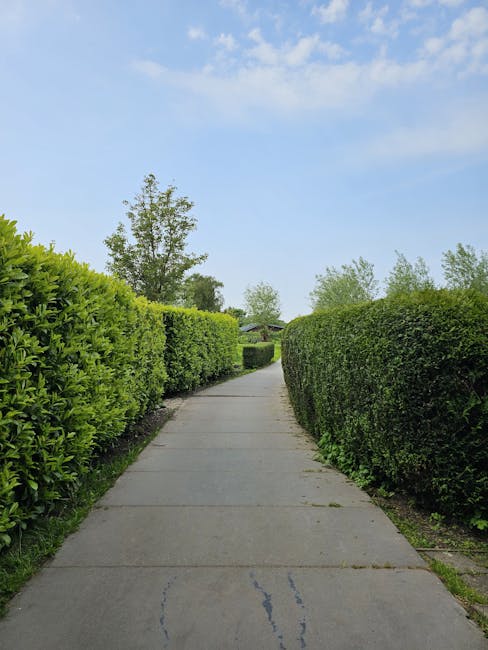
Picture a typical Willesden front garden in late spring. The hedge has grown through winter, the top is a little wild, and one side is beginning to crowd the pavement. From the street it does not look dramatic, but once you stand next to it, you can see the issue: a parent pushing a buggy would need to step around it, and the neighbour's drive has lost some light.
In a case like that, the sensible route is not to take a heavy cut straight away. First, measure the hedge, check the boundary, and consider whether the work is just maintenance or something more significant. If there is any sign of protected status, a council query is sensible before the cut begins. If not, the job can usually be approached as careful trimming with clear debris removal and a tidy finish.
In practice, the work often goes like this: the outside face is pared back for access, the top is levelled, the base is checked for density, and cuttings are collected before they smother the lawn. The garden feels larger afterwards. Brighter too. You can hear birds again. Small thing, maybe, but it matters.
That kind of job is also a good moment to review the wider garden. If borders are messy or the lawn is patchy, a wider lawn mowing or maintenance visit can make the whole place feel settled rather than half-finished.
Practical Checklist
Use this before you start any hedge work linked to Brent council rules for Willesden hedge permits.
- Confirm the hedge location and boundary line
- Check whether the hedge fronts a pavement, road, or shared access point
- Identify whether the work is light trimming or major reduction
- Look for signs of protected trees or sensitive surroundings
- Think about neighbour impact, especially light and access
- Choose a suitable time and weather window
- Prepare tools, protective kit, and waste collection
- Take before photos
- Use a proportionate trimming method
- Clear all debris and leave the area safe
- Keep a note of what was done
If you can tick off all eleven points, you are already ahead of most rushed weekend jobs. And if you cannot, that is fine. It just means the job needs a bit more planning.
Conclusion
Brent council rules for Willesden hedge permits are best understood as a practical framework rather than a single yes-or-no rule. The key question is whether your hedge is a straightforward domestic trim, or whether it touches boundary, planning, highway, or protection issues that need more care. Once you see it that way, the whole subject becomes much easier to manage.
For most people, the smartest move is simple: inspect first, trim second, and document as you go. That approach protects the hedge, the property, and your peace of mind. It also gives you a cleaner finish, which, to be fair, is what everyone really wants. If your hedge work is part of a larger outdoor refresh, the right support can make the whole garden feel calmer, tidier, and easier to live with.
Get a free quote today and see how much you can save.
Sometimes the best garden decisions are the quiet ones. A careful cut, a clear boundary, and a neat finish can make the whole street feel a little better.
Frequently Asked Questions
Do I need a permit to trim a hedge in Willesden?
Not always. Many routine hedge trims do not need a formal permit, but if the hedge affects a public pavement, involves a boundary issue, or may be protected in some way, it is wise to check first.
What does Brent council usually care about with hedge work?
Brent council is likely to care about safety, access, amenity, boundaries, and whether the hedge is connected to any protected trees or sensitive planning context. The exact issue depends on the site.
Can I cut back a hedge that hangs over the pavement?
Often you can do basic maintenance, but the work needs to be done safely and without causing an obstruction or damaging protected features. If the hedge is close to the highway, a careful check is sensible first.
What if my neighbour and I share the hedge line?
Shared hedges can be tricky. Before cutting, make sure you understand who owns what and whether any agreement is needed. A short conversation now can save a very awkward one later.
How do I know if my hedge is protected?
Look for signs that the hedge is part of a conservation setting, tied to a protected tree, or subject to planning conditions. If you are not sure, treat it as a potentially sensitive job and seek clarification before work starts.
Is a big hedge reduction treated differently from light trimming?
Yes, usually. Light trimming is more likely to be routine maintenance, while a major reduction or reshaping can trigger more questions because it affects the hedge's structure and appearance more significantly.
What should I do before starting hedge work?
Check the boundary, identify the hedge type, assess the size of the job, take photos, and plan how you will handle waste. If the hedge is fronting a public area, include safety and access in your plan.
Can hedge work be part of a wider garden tidy-up?
Absolutely. In fact, that is often the best way to do it. A hedge trim alongside broader garden maintenance or garden clearance usually produces a more complete result and reduces repeat mess.
How do I avoid neighbour complaints about hedge cutting?
Give notice where sensible, keep the work neat, avoid overcutting, and clear debris quickly. If the hedge affects their light or access, a respectful heads-up goes a long way.
What is the safest approach if I am unsure about the rules?
Pause and check before cutting. If the hedge is near a road, on a boundary, or potentially protected, a cautious approach is better than guessing. Uncertainty is usually the signal to slow down, not speed up.
Should I hire a professional for hedge work in Willesden?
If the hedge is tall, overgrown, boundary-related, or near a public area, professional help is often worth it. It is not just about speed; it is about getting a result that looks clean and avoids avoidable mistakes.
What is the best time to carry out hedge maintenance?
The best time depends on the hedge species, its condition, and the type of work needed. A routine trim, a corrective cut, and a restoration prune are not the same thing, so timing should match the job rather than the calendar alone.