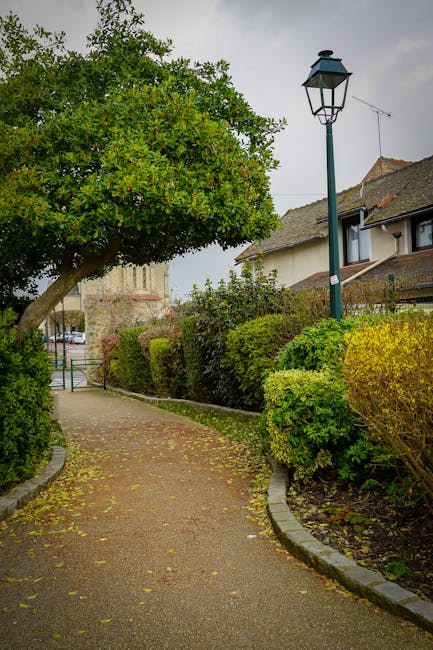
Common problems with Willesden tree access and gardener work
Tree work and garden maintenance look straightforward from the pavement. Then you step into a Willesden back garden and the picture changes fast: narrow side gates, awkward neighbour boundaries, shared access, overgrown trees, a shed in the way, and not quite enough room to bring a ladder or chipper through. That is where the common problems with Willesden tree access and gardener work start to matter. If you are planning pruning, hedge cutting, garden clearance, or tree removal, the difference between a smooth job and a frustrating one is usually access, preparation, and realistic expectations.
This guide breaks down the practical issues people run into most often, why they happen, and what to do before booking work. It also covers safety, compliance, and the little details that save time and money. To be fair, a lot of garden jobs are not hard because of the plants themselves; they are hard because of the route to the plants.
Why Common problems with Willesden tree access and gardener work Matters
In Willesden, many gardens were never designed for modern machinery or tidy work routes. Some have long, narrow side access, some are split by extensions or outbuildings, and some only open properly through the house. That means even simple jobs can become awkward if the access route is blocked, uneven, or too tight for tools and waste.
Why does this matter? Because access problems affect almost everything: how long the job takes, what equipment can be used, how much waste can be removed, and whether the work can be carried out safely in one visit. A tree that can be cut easily from within the garden may still be difficult if branches must be carried through a small terrace hallway. A routine garden tidy-up can turn into a half-day of shifting bags if there is no direct route to the front.
For homeowners, landlords, and managing agents, these details often affect price and timing more than the actual pruning itself. And for the gardener or tree team, poor access can mean more manual handling, more fatigue, and more chance of accidental damage. Nobody wants a freshly cut hedge and a scratched fence, or worse, a broken patio tile. That's not the vibe.
If you are comparing wider services, it can help to look at the full range of garden services available so you can match the job to the right level of support. Sometimes a small access issue is best handled as part of broader garden maintenance or even garden clearance rather than as a one-off tidy.
How Common problems with Willesden tree access and gardener work Works
Good garden work starts with a quick reality check. A professional will usually want to know how they get in, where they park, how waste gets out, and what needs protecting on the way. That is the practical side of the job, and it matters more than people often think.
Here is how the process usually works in plain English:
- Initial assessment. The gardener or tree team looks at the size of the task, the location of the plants, and the available access points.
- Access review. They check gate width, step height, surface condition, side return clearance, and whether tools can safely be moved through the property.
- Method choice. Smaller tools, manual carry-out, sectional dismantling, or front-to-back waste handling may be selected depending on the site.
- Protection planning. Paths, decks, sheds, glass, and fencing are identified so they can be shielded before work begins.
- Work and waste handling. The team cuts, clears, chips, bags, or stacks waste in the least disruptive way possible.
- Final tidy. The site is checked for loose debris, branch thorns, sawdust, cuttings, and any marks caused during access.
The common problems usually appear in the middle steps. For example, a hedge trim may be simple in itself, but if the only route involves carrying cuttings through a narrow kitchen door and past a fragile floor, the job needs more care. A tree pruning job may be safe from the ground yet still require sectional work because there is no room to fell or lower material in one clean movement.
If you are arranging tree work specifically, the details on tree lopping and removal are useful context for understanding what usually affects method, access, and waste handling. The word "tree lopping" gets used loosely by the public, but in practice the method chosen depends on size, health, position, and access. No shortcuts, really.
Key Benefits and Practical Advantages
Planning around access is not just about avoiding hassle. It creates better outcomes across the whole job. That is the honest version.
- Less disruption inside the property. Proper access planning reduces repeated walking through hallways, side passages, and garden rooms.
- Faster completion. When waste routes and tool routes are clear, the work usually moves more steadily.
- Lower risk of damage. Fences, paving, windows, and decking are easier to protect when the route is known in advance.
- Cleaner results. There is more time for finishing touches when crews are not fighting the access.
- More accurate quotes. A site that is described clearly is less likely to be under- or over-estimated.
- Better safety. Safe lifting and safer movement of tools reduce strain and prevent slips or knocks.
There is also a client benefit that is easy to overlook: clearer communication. Once access is discussed properly, the whole job tends to feel more organised. You know where the team will enter, where waste will go, and what to expect if a branch needs to be removed in sections. That makes a stressful job feel manageable. And on a wet Tuesday morning, that counts.
For some properties, combining work with hedge trimming or broader landscaping can be more efficient than treating each issue separately. If the access is tricky anyway, it often makes sense to complete several related tasks in one visit.
Who This Is For and When It Makes Sense
This topic is relevant to more people than you might expect. In Willesden, access issues come up for all sorts of properties, not just the smallest ones.
- Homeowners with narrow terraces, shared side access, or mature trees close to fences.
- Landlords who need a practical way to clear overgrowth between tenancies.
- Letting agents managing gardens that must be presentable before viewings.
- Older homeowners who want a tidy garden but cannot do the heavy lifting themselves.
- Busy families who need reliable work done without the garden becoming a mess for days.
- Businesses or communal property managers dealing with shared rear access or limited parking.
It makes sense to think carefully about access whenever you have any of the following: a tree overhanging a neighbour boundary, a garden that can only be reached through the house, a steep or narrow passage, a side return with bins and bikes stacked everywhere, or a job that produces bulky green waste. That last one is a classic. Five bags suddenly become fifteen, and nobody remembers ordering that amount of ivy.
It also makes sense if you are planning more than one service at once. A visit that includes lawn mowing, tidying, and waste removal can be more efficient than three separate appointments, provided the access route supports it.
Step-by-Step Guidance
Here is a practical way to handle tree access and gardener work without turning the whole thing into a headache.
- Walk the route yourself first. Stand at the gate, side passage, and back door. Ask: can a person carry a bag, a ladder, or a stump grinder part through here without scraping walls?
- Measure the awkward points. Gate width, tight corners, low brick arches, and steps are the usual trouble spots.
- Note surface conditions. Mud, loose gravel, wet decking, broken slabs, and mossy paving all change the risk profile.
- Clear movable items. Bikes, plant pots, children's toys, wheelie bins, compost bags, and patio furniture should be moved where possible.
- Protect the house route. If waste must pass through the property, lay down suitable protection and keep a clean line of travel.
- Check parking and unloading. A team may need to unload near the property rather than at the end of the street. That can affect timing.
- Agree the waste plan. Decide whether clippings stay on site, go in bags, or are taken away. Do not leave this vague.
- Confirm the cutting method. Trees, shrubs, hedges, and lawns all produce different volumes of waste and need different equipment.
- Choose the safest access route. The shortest route is not always the best one if it increases damage or manual handling.
- Check the finish before sign-off. Look for debris on paths, trampled borders, cuts to turf, and any hidden offcuts behind sheds.
If the job is substantial, a full tidy-up can be more sensible than trying to "just do a bit" around poor access. In that case, a service like garden clearance may be the cleaner option, especially where overgrowth has narrowed the access route in the first place.
Expert Tips for Better Results
Small changes can make a big difference. These are the practical habits that help jobs run better on real streets, not just in neat planning notes.
- Take photos before the team arrives. A picture of the gate, side passage, and main problem area saves a lot of back-and-forth.
- Tell the team about hidden obstacles. Things like buried pipes, fragile trellises, loose paving, or a wobbly fence panel are worth mentioning.
- Leave one clear route. Even if the garden is cluttered, keep one path fully open from entrance to work area.
- Think about weather. A dry path can become slippery very quickly after a shower, especially on old slabs or timber decking.
- Group tasks sensibly. Hedge work, light tree pruning, and general tidying often pair well together, whereas heavy structural work may need a separate visit.
- Ask about waste handling early. The moment green waste starts piling up, access pressure increases.
A very ordinary example: a client has a beautiful back garden, but the only route is through a narrow dining room and out to a small side return. If the team knows that in advance, they can bring cleaner carry sacks, floor protection, and a smaller amount of kit. If they do not know, the morning gets clumsy quickly. Nobody likes clumsy mornings.
It can also help to review the company's approach to safety and professionalism before you book. Pages such as health and safety policy, insurance and safety, and about us are useful if you want to understand how the business handles responsibility, not just the visible gardening part.
Common Mistakes to Avoid
Most access problems are predictable once you know what to look for. The trouble is, people often only notice them on the day.
- Assuming the team can "just get through". A narrow gate or cramped side return can change the whole method.
- Forgetting about waste volume. Cuttings take up space very quickly, especially with conifers, ivy, or thick hedge material.
- Leaving tools and belongings in the route. A couple of bikes or a stack of compost bags can become a real obstacle.
- Not mentioning fragile surfaces. Old paving, porcelain tiles, and timber decking need different care.
- Being vague about tree size. "It is only a small tree" often turns out to mean "it's actually quite tall and leaning oddly."
- Ignoring neighbour boundaries. A branch crossing the fence can affect timing, access, and permissions.
- Choosing the cheapest quote without explaining access. A low price based on the wrong assumptions is usually bad value in the end.
Another mistake is treating access as a nuisance rather than part of the job. In reality, access is the job. Once you accept that, planning gets a lot better.
Tools, Resources and Recommendations
You do not need specialist equipment at home to prepare properly, but a few simple things help. Most of it is common sense, which is reassuringly underrated.
- Measuring tape for gates, side passages, and tight corners.
- Phone camera to photograph access points and problem areas.
- Work gloves if you are moving light debris or clearing space before the visit.
- Tarpaulin or sheet protection where waste might pass through an interior route.
- Bin bags, garden sacks, or tied bundles for tidy handling of smaller cuttings.
- Outdoor broom or brush for a quick finish on paths and patios.
From a service perspective, the most useful resources are usually the company pages that explain scope and expectations. For example, if you want a better idea of what a broader tidy-up involves, garden maintenance is a sensible reference point. If the job involves design changes or awkward layouts, landscape gardening may be more relevant. And if the access problem is being made worse by old surfaces or poor layout, decking services can sometimes be part of the long-term fix rather than a quick patch.
For anyone wanting a straightforward starting point, the most useful recommendation is simple: get clear on the route before the work starts, then match the service to the site. That saves more hassle than people expect.
Law, Compliance, Standards, or Best Practice
Any work involving ladders, cutting tools, waste movement, and shared boundaries should be handled with care. In the UK, the sensible norm is to work in line with recognised health and safety practice, carry suitable insurance where appropriate, and manage risks before the first cut is made. That does not mean every small garden job needs a mountain of paperwork. It means the provider should think ahead, use safe methods, and avoid exposing people or property to unnecessary risk.
For tree-related work, there may also be planning or permission issues in some situations, especially where a tree is protected or the property has particular restrictions. The exact requirements depend on the site, so it is wise to check before any significant cutting or removal. Nobody wants to learn that after the saw has already started. Awkward, and expensive.
Best practice usually includes:
- clear communication about access and waste routes;
- safe manual handling and sensible load sizes;
- appropriate protection for floors, paths, and fixtures;
- careful use of equipment in confined spaces;
- respect for neighbouring property and boundary lines;
- proper disposal or recycling of green waste where available.
If you want to understand a company's operational standards, it is also worth looking at the pages on recycling and sustainability and payment and security. They are not directly about tree access, but they do help you judge how organised and trustworthy the business is.
Options, Methods, or Comparison Table
Different access setups call for different working methods. Here is a simple comparison of what tends to suit each situation.
| Access situation | Best working approach | Main benefit | Common drawback |
|---|---|---|---|
| Wide side access, level ground | Standard tools and normal waste removal | Quick and efficient | Less of an issue, though parking can still matter |
| Narrow passage or tight gate | Smaller tools, careful hand-carry, compact stacking | Lower risk of damage | Slower and more labour-intensive |
| Access through the house | Floor protection, tidy carry routes, controlled waste bags | Allows work where external access is poor | More time spent protecting interiors |
| Large tree with limited rear access | Sectional dismantling and planned waste handling | Safer around structures and boundaries | May need more time and specialised equipment |
| Overgrown garden with blocked paths | Clearance first, then maintenance or tree work | Makes future visits easier | Can feel like a bigger initial job |
This is why two gardens that look similar from the road can produce very different quotes and outcomes. Access changes the method. The method changes the cost. Simple, really, though not always obvious from outside the gate.
Case Study or Real-World Example
Picture a typical Willesden terrace garden on a damp morning. The back fence has a healthy but overgrown tree leaning slightly over the boundary, the side return is narrow, and there are two bins, a wheelbarrow, and a stack of old pots blocking part of the route. The homeowner wants the tree reduced, the hedge tidied, and the lawn cut before visitors arrive at the weekend.
On arrival, the problem is not the tree first. It is the path. The team cannot safely carry larger branches through the side return without moving the bins and protecting the paving. They also notice the garden chairs are sitting in the only useful turning space. So the plan changes: a quick clear-up comes first, waste is stacked more neatly, and the tree work is done in smaller sections. It takes a little longer than the homeowner hoped, but the result is clean, safe, and far less stressful than forcing the wrong method.
That same visit could have gone badly if the access had not been discussed in advance. Branches might have been dragged through a tight doorway, cuttings could have been dumped in a corner, and the finish would have looked rough. Instead, the homeowner gets a usable garden, a tidy route, and a better understanding of what future maintenance will need. That is the quiet value of planning.
Practical Checklist
Use this before any tree or gardener visit in Willesden:
- Have I checked the gate width and side access?
- Are there steps, slopes, or slippery surfaces on the route?
- Have I moved bins, bikes, toys, and loose items out of the way?
- Do I know where waste will be carried and stored during the job?
- Have I mentioned any fragile paving, decking, or indoor flooring?
- Are there neighbour boundary issues, overhanging branches, or shared access concerns?
- Have I explained the size of the tree or hedge honestly?
- Do I need one-off clearance or ongoing garden maintenance?
- Is there enough parking or unloading space nearby?
- Have I asked about safety, insurance, and waste removal expectations?
Expert summary: In most Willesden gardens, access is the real planning issue, not the cutting itself. Clear routes, honest descriptions, and sensible waste handling make the biggest difference to cost, safety, and results.
Get a free quote today and see how much you can save.
Conclusion
Common problems with Willesden tree access and gardener work usually come down to one thing: the garden is harder to reach than it looks. Narrow passages, blocked routes, shared entrances, awkward waste movement, and tight boundaries all change the way a job needs to be done. Once you understand that, everything becomes easier to plan.
The best results come from honest site checks, realistic expectations, and a working method that fits the property rather than forcing the property to fit the job. That simple shift can save time, protect your home, and give you a cleaner finish. And if the garden has been quietly getting on top of you, well, you are not alone. Most people wait longer than they meant to.
Start with the access. The rest tends to follow.
Frequently Asked Questions
What are the most common access problems in Willesden gardens?
The most common issues are narrow side passages, small gates, blocked routes, awkward steps, and the need to carry waste through the house or around tight boundaries.
Why does access affect gardener pricing?
Access affects the time needed, the equipment that can be used, the amount of manual carrying involved, and the risk of damage. All of that can change the job length and cost.
Can tree work still be done if the garden has no rear access?
Yes, often it can. The team may use sectional removal, smaller tools, hand-carry waste methods, or a different approach depending on the site.
Do I need to clear the garden before the team arrives?
It helps a lot. Moving bins, toys, pots, and furniture out of the route makes the work safer and usually quicker. You do not need to overdo it, but a clear path matters.
What should I tell the gardener before the visit?
Tell them about gate widths, side access, parking, fragile paving, low branches, neighbour boundaries, and any objects that may block the route. A few photos are very useful.
Is it better to book garden clearance before tree work?
In some cases, yes. If overgrowth is blocking the access route, a garden clearance visit can make the later tree or maintenance work much easier.
Can a gardener damage my house while carrying waste through it?
There is always some risk if the route is tight, which is why floor protection and careful carrying matter. A professional should plan the route to reduce that risk as much as possible.
What if my tree is close to the neighbour's fence?
That situation needs careful handling. Boundaries, permissions, and the direction of work all become more important, especially if branches overhang next door.
Should I choose one-off work or regular maintenance?
If access is tight and the garden grows quickly, regular maintenance is often easier to manage than letting everything become overgrown again. It is less dramatic, and that is a good thing.
How do I know if a company is safe and organised?
Look for clear explanations of process, sensible safety information, and straightforward policies. Pages such as health and safety policy, insurance and safety, and about us can help you judge that.
What if I am not sure whether the job needs a gardener or a tree specialist?
If the work is mostly trimming, tidying, mowing, or routine upkeep, a gardener may be enough. If the job involves larger trees, awkward branches, or sectional removal, a tree-focused service is usually the better fit.
How can I make sure waste is handled properly?
Ask in advance how cuttings will be removed, stacked, recycled, or disposed of. Clear waste handling keeps the site tidy and avoids confusion on the day.
For more detail on related services and planning, you can also review services overview and recycling and sustainability. A little preparation goes a long way, and it usually makes the whole job feel calmer.