Compare Willesden gardeners quotes real price checklist
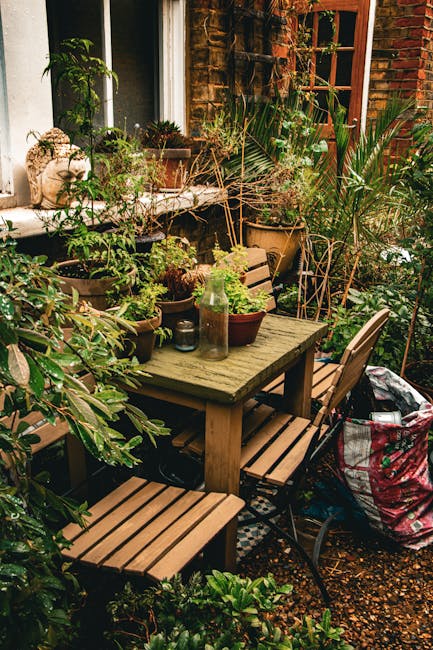
If you are trying to compare Willesden gardeners quotes real price checklist style, the main challenge is usually not finding gardeners. It is working out which quote is genuinely fair, what the real price should include, and where the hidden extras are hiding. To be fair, gardening quotes can look similar at first glance and still mean very different things once you read the small print. One quote might include waste removal and materials; another might only cover labour for a couple of hours. That is where a proper comparison pays off.
This guide walks you through how to compare quotes sensibly, what a realistic price structure looks like, and which details matter most before you book anyone in Willesden. You will also get a practical checklist, a simple comparison table, and a few real-world examples so you can judge quotes with less guesswork and more confidence. No fluff. Just the bits that help you decide.
Why Compare Willesden gardeners quotes real price checklist Matters
Garden work is one of those services where the final price can change a lot depending on access, waste, size of the job, condition of the garden, and whether materials are included. A tidy front garden in NW10 is not the same as a neglected back garden that needs clearance, mowing, hedge trimming, and a bit of landscaping to get it back under control. The quote should reflect that. If it does not, you end up comparing apples with pears, and nobody needs that headache.
The reason a real price checklist matters is simple: it helps you spot whether the quote is complete. A decent gardener should usually make clear what is included, how long the work is expected to take, whether green waste disposal is covered, and whether extras like compost, plants, skips, or specialist tools are separate. Without that detail, a low quote can quickly become a more expensive job than the one that looked pricier upfront.
It also helps with trust. When a local gardener quotes carefully and explains the scope in plain English, that is a good sign. If they are vague, shruggy, or a bit too eager to promise "cheap and quick" without asking questions, that is worth a pause. Let's face it, the cheapest quote is not always the cheapest outcome.
For homeowners, landlords, and tenants in Willesden, this matters even more because many gardens are compact and access can be awkward. Narrow side paths, shared entrances, rear access through the house, parking restrictions, and bin storage all affect how a gardener works and what they may need to allow for. Small details. Big difference.
How Compare Willesden gardeners quotes real price checklist Works
The process is straightforward once you know what to look for. First, gather at least three quotes for the same job description. The wording needs to be consistent, otherwise the comparison becomes messy. For example, "trim hedge, mow lawn, remove waste, tidy borders" is much more useful than "general garden work."
Then compare the structure of each quote rather than only the total price. A quote can be fixed-price, hourly, or a rough estimate. Each has its place. Fixed-price quotes are easier to compare if the job is clear. Hourly quotes can work well for unknown or overgrown gardens, but only if you know the likely time range and what happens if the job takes longer than expected. Estimates are the least certain and should be treated as such.
In a real comparison, you are looking at five main things:
- Scope of work: exactly what tasks are included
- Labour: how many people, how long, and at what rate
- Materials: plants, soil, turf, timber, compost, or other supplies
- Waste removal: whether green waste is bagged, loaded, and disposed of
- Extras and exclusions: anything not covered by the quote
That is the core of it. The "real price" is not just the number at the bottom. It is the total cost once the job is finished, with no awkward surprises. If you have ever had a trades quote that started low and somehow kept growing, you will know exactly why this matters.
One small but important point: good gardeners may ask questions before pricing. That is not a delay tactic. It is usually a sign they want to price accurately rather than guess. A quick chat, a few photos, or a site visit can save a lot of confusion later.
Key Benefits and Practical Advantages
Using a proper comparison checklist brings more than just price clarity. It helps you make a better decision overall, especially if you want a garden that looks neat without overspending on work you do not need.
- Clearer budgeting: you know what you are likely to pay before the work starts
- Better value: you can judge whether a quote is expensive for a reason, or just overpriced
- Fewer disputes: agreed scope means fewer awkward conversations later
- More realistic expectations: you understand what can be done in one visit versus what needs a bigger project
- Stronger trust: transparent pricing tends to go hand in hand with better communication
There is also a less obvious benefit: you learn which services you actually need. A lot of people ask for "garden maintenance" when what they really need is a one-off garden clearance, followed by regular lawn mowing. Or they want hedge trimming, but the hedge is so overgrown that the job is more like a light reshaping plus a return visit. A clearer quote process helps separate those jobs properly.
In practical terms, this can save money. It can also save time. And if your garden has been sitting there a bit neglected through a wet spell, you will appreciate that first proper tidy-up more than you expected. There is something oddly satisfying about hearing the cuttings hit the bag and seeing the space open up again.
Who This Is For and When It Makes Sense
This approach is useful for almost anyone hiring a gardener in Willesden, but it is especially helpful in a few situations.
- Busy homeowners who want a reliable local gardener without overpaying
- Landlords and letting agents who need a tidy, presentable outdoor space between tenancies
- Tenants who may need help with a front or rear garden before moving out
- Older residents who want regular help but need a quote they can understand easily
- People with overgrown gardens where the work could swing widely depending on the condition
- Anyone comparing regular maintenance against one-off clearance
It also makes sense if you are planning seasonal work. Spring jobs often look different from late-autumn clean-ups, and after a couple of windy weeks the garden can go from manageable to mildly chaotic. One call in March may be for lawn work and border tidying; the same call in November might be about leaf clearing, cut-back work, and waste removal. Different jobs. Different pricing.
If you already know the outcome you want, comparing quotes is easier. If you do not, a good gardener should help you shape the brief. That is a useful test in itself. Good service starts before the first cut.
Step-by-Step Guidance
1. Define the job properly
Write down exactly what needs doing. Keep it practical and specific. For example: mow front and rear lawn, trim front hedge, clear leaves, edge borders, remove clippings. If the garden is especially messy, say that too. "Overgrown back garden, access through side gate, waste to be removed" is much more helpful than "needs a tidy."
2. Ask each gardener for the same information
Make sure every quote covers the same basics:
- Labour cost
- Estimated time on site
- Materials included or excluded
- Waste disposal arrangements
- Whether VAT applies, if relevant
- Any call-out charge or minimum booking fee
This is where many comparisons go wrong. One gardener includes everything and another only prices the labour. The totals may look close, but they are not really close at all.
3. Check whether the price is fixed or estimated
A fixed quote gives you more certainty. An estimate is more flexible but less predictable. If a job is uncertain, ask what would cause the price to change. For instance, if a hedge is thicker than it looked in the photos, does the price move? If access is limited, does extra labour come into play? Clear answers matter.
4. Compare what is actually included
Read each quote line by line. You are looking for the small print that changes the real cost. Does the quote include removing green waste? Is the cleanup part of the job, or does the gardener leave the cuttings in bags on site? Are supplies listed separately? Does the quote cover disposal of brash, soil, or heavy debris if the garden has been neglected for a while?
5. Judge value, not just price
A slightly higher quote can be the better deal if it includes proper waste removal, better tools, or a more realistic time allowance. On the other hand, a quote that is far above the others deserves a question or two. Why is it higher? Is the job bigger than the others think? Is specialist work involved? Or is it simply a premium price with no clear reason? Ask. politely, but ask.
6. Confirm the practical details before booking
Before you say yes, confirm the appointment time, access arrangements, parking if needed, water supply if relevant, and what happens if the weather turns bad. A wet morning in London can make a simple job drag a bit, and a professional gardener should be upfront about that. It sounds basic, but these little details stop the day becoming a faff.
Expert Tips for Better Results
After looking at a lot of garden quotes over the years, a few patterns stand out. These are the things that usually separate a decent booking from a slightly annoying one.
1. Send photos, but do not rely on photos alone. Photos are useful, especially for first estimates, but a picture rarely shows access issues, hidden waste, or the true thickness of a hedge. If the job matters enough to you, ask for a site visit or a more detailed follow-up.
2. Be specific about waste. Green waste is not always light or easy to manage. A few grass bags are one thing. A pile of wet clippings, branches, and old pots is another. If disposal matters, say so early.
3. Ask how the price was calculated. A good gardener should be able to explain whether the quote is based on time, size, labour, or complexity. You do not need a lecture. Just a clear answer.
4. Compare the same type of service. A one-off clearance is not the same as regular maintenance. A hedge trim is not the same as hedge reduction. A lawn mow is not the same as a full lawn repair. Keep the comparison clean.
5. Watch for vague language. Phrases like "from GBPX" or "subject to inspection" are not red flags by themselves, but they do mean you need to ask a few more questions. The aim is not to distrust everyone. It is to understand the job properly.
6. Think in seasons. In spring and early summer, gardens grow fast. In autumn, leaf collection and cut-back work become more relevant. A quote that makes sense in one season may not be the right comparison point in another.
Practical rule of thumb: if a quote is hard to understand, it is usually hard to compare fairly. Clarity is worth paying attention to.
Common Mistakes to Avoid
It is easy to get this wrong in small ways, and those small ways can add up. Here are the ones people bump into most often.
- Choosing the cheapest quote without checking scope - the "cheap" job can become the expensive one once extras appear
- Comparing different jobs as if they were the same - a full tidy-up and a quick mow are not comparable
- Forgetting waste removal - cuttings, branches, and bags all have to go somewhere
- Not asking about access - awkward access can affect time and price
- Ignoring the condition of the garden - overgrowth changes the workload in a big way
- Assuming materials are included - compost, turf, plants, or timber may be extra
One of the most common mistakes is emotional, really. People want the garden sorted quickly, so they grab the first quote that sounds reasonable. Fair enough, we all do it sometimes. But a 10-minute check now can save a lot of back-and-forth later.
Another one is not asking whether the quote is for one visit or ongoing maintenance. That matters. A weekly or fortnightly arrangement usually prices differently from a one-off tidy-up, and the difference is not always obvious at first glance.
Tools, Resources and Recommendations
You do not need fancy software to compare gardeners' quotes properly. A notebook, a simple spreadsheet, or even a notes app on your phone will do the job. What matters is consistency.
- Comparison grid: list each gardener side by side and compare scope, labour, waste, materials, and timing
- Photo folder: keep the same set of images for each quote request so everyone prices the same situation
- Job brief: write a short plain-English description of the work you want done
- Questions list: keep a ready-made set of follow-up questions for each quote
Within this website, it can also help to understand the wider service range before you compare prices. For example, if your garden needs more than a simple tidy, you may want to look at garden maintenance, garden clearance, or even landscaping if the space needs structural work rather than just routine care. For recurring jobs, the broader services overview is a useful place to start.
If your job is specific, matching the service to the work matters more than people realise. A hedge job is not the same as a lawn job, and a tree issue should not be squeezed into a general garden visit if it needs proper attention. The right service pages can save you a slightly awkward phone call later. We have all been there.
Law, Compliance, Standards, or Best Practice
For garden work in the UK, the most sensible approach is to expect responsible business practice rather than assume every provider works the same way. The quote should ideally make clear how waste is handled, whether public paths or shared areas will be kept clear, and whether any work requires specialist care. If tree work is involved, especially anything that looks substantial or close to boundaries, ask how the gardener handles safety and whether the job is appropriate for their equipment and experience.
It is also reasonable to expect clear terms around payment, cancellations, and complaints. A professional provider should be able to explain how they take payment, what happens if the scope changes, and who to contact if something goes wrong. For peace of mind, you may also want to look at pages such as insurance and safety, health and safety policy, and payment and security.
Best practice is simple, really: clear quote, clear scope, clear communication. If a gardener is insured, handles waste responsibly, and explains the work without fuss, that is a strong sign. If they are vague about safety or payment, you probably want to slow down a little.
Options, Methods, or Comparison Table
Here is a practical way to compare quote types. The "best" option depends on how certain the job is and how much detail you already have.
| Quote method | Best for | Pros | Watch out for |
|---|---|---|---|
| Fixed price | Clear, defined jobs | Easier to compare, more certainty | May exclude small extras if not written down |
| Hourly rate | Unknown or variable jobs | Flexible, useful for messy gardens | Total cost can rise if the job expands |
| Estimate | Jobs needing inspection first | Quick starting point | Less reliable for budgeting |
| Package pricing | Regular maintenance | Good for repeat visits and simple budgeting | May not suit one-off work or special tasks |
In most everyday cases, a fixed quote is easiest to compare. Hourly pricing is fine if the gardener explains the expected time and the likely outcome. Estimates are useful early on, but they are not the same as a firm commitment. A lot of confusion disappears once you name the pricing method properly.
Case Study or Real-World Example
Imagine a typical Willesden back garden after a long stretch of growth. The lawn is patchy, the hedge has pushed out more than expected, and there is a build-up of clippings in the corner near the shed. The homeowner wants the space made neat before guests arrive next weekend. Fair enough.
Three quotes come in. The first is the cheapest, but it only covers labour for two hours and says waste removal is extra. The second is slightly higher, but it includes mowing, hedge trimming, bagging, and green waste disposal. The third is the highest and includes a site visit, materials for border tidying, and a follow-up visit if needed.
At first glance, the cheapest quote looks tempting. But once waste removal is added, the total rises. The second quote ends up being the best value because it covers the full job properly. The third may still be worth considering if the garden needs more than a tidy, but for a quick refresh it may be more than necessary. That is the kind of comparison that saves stress.
The key lesson? A quote is only useful if it matches the actual work. Otherwise you are not really comparing prices. You are comparing different versions of the job, and that is where people get caught out.
Practical Checklist
Use this checklist before you accept a gardener's quote. It is simple, but it works.
- Have I described the job clearly and consistently to every gardener?
- Does the quote say exactly what work is included?
- Is waste removal included or charged separately?
- Are materials included, or itemised as extras?
- Is the quote fixed, estimated, or hourly?
- Does it mention access, parking, or site constraints?
- Have I asked how the price could change if conditions differ?
- Does the quote include cleanup and leaving the area tidy?
- Is the service right for the job type: maintenance, clearance, hedge work, or landscaping?
- Have I checked whether the gardener seems clear, responsive, and practical?
- Do I understand the payment terms before booking?
- Does the total make sense against the scope and not just the headline number?
If you can tick most of those off, you are in a much better position. And if a quote still feels woolly after all that, trust your instincts a bit. You do not need to make the decision harder than it is.
Conclusion
To compare Willesden gardeners quotes properly, focus on the real price, not just the headline figure. Check what is included, what is excluded, how waste is handled, and whether the quote matches the actual condition of the garden. That is the difference between a sensible booking and a mildly annoying surprise later on.
Done well, quote comparison gives you better value, more confidence, and a clearer path to the garden result you actually want. Whether you need regular upkeep, a one-off clearance, hedge trimming, or a bigger outdoor refresh, the right questions make all the difference. Simple as that, really.
Get a free quote today and see how much you can save.
If you want to explore the service range in more detail, it can also help to review pricing and quotes, look at the company background on about us, or browse the latest helpful articles on the blog. That extra context can make the final decision feel a lot less rushed.
Frequently Asked Questions
How do I compare Willesden gardeners quotes fairly?
Compare the same job description across each quote, then check labour, waste removal, materials, timing, and exclusions. The fair comparison is not the cheapest number; it is the same scope priced clearly.
What should a real gardening quote include?
A good quote should include what work will be done, how long it is expected to take, whether materials are included, whether waste is removed, and whether any extras may apply. Clarity beats guesswork every time.
Why are some gardener quotes much cheaper than others?
Usually because the scope is different. A cheaper quote may leave out waste disposal, cleanup, or materials. Sometimes it is simply a lighter job. Ask what is included before assuming it is the same service.
Is an hourly rate better than a fixed price?
It depends on the job. Fixed prices are easier for straightforward tasks. Hourly rates can work better for overgrown or uncertain jobs, but only if you understand the likely time needed and what could change the cost.
Should waste removal be included in the quote?
It should be clearly stated either way. Some gardeners include it, some charge separately. If you do not ask, the "real price" may be higher than expected once the bags and cuttings are added in.
How many quotes should I get before booking?
Three is a sensible number for most people. It gives you enough comparison without turning the process into a project of its own. More is fine, but three usually gives a useful spread.
What if my garden is very overgrown?
Then ask for a site visit or detailed photo review before agreeing a price. Overgrown gardens can hide more work than they first appear to need, so a vague quote is less useful in that situation.
Can I compare gardening quotes just by price?
You can, but you really should not. Price alone can hide missing work, separate waste charges, or limited time on site. Compare the scope and the final likely cost, not just the headline figure.
Do I need to worry about insurance or safety?
Yes, especially for larger jobs, hedge work, or anything involving tools near boundaries or paths. It is sensible to ask about insurance and safety practices so you know the work is being handled properly.
What is the best time of year to get garden quotes?
Spring and early summer are busy, while autumn often brings more clearance and leaf work. The best time is usually before the garden gets too far away from you, because the job is easier to define and sometimes cheaper to manage.
Should I ask for photos before and after the job?
Yes, if the job is being done while you are away or if the outcome matters a lot to you. Before-and-after photos are not always necessary, but they can be useful for clarity and peace of mind.
What if two quotes look similar but one feels more trustworthy?
Go with the one that communicates more clearly and answers your questions without fuss. In real life, reliability and clarity matter. A quote is part price, part judgement call, and sometimes the calmer option is the better one.
How do I know whether I need garden maintenance or garden clearance?
If the space mainly needs ongoing upkeep, maintenance is likely the better fit. If it is cluttered, overgrown, or needs a big reset, clearance may be more appropriate. When in doubt, describe the garden honestly and ask the gardener which service suits it best.
Can I get a better price by being flexible with timing?
Often, yes. If you are not tied to a specific day, some gardeners can fit the job into a quieter slot. That said, it still needs to be priced properly. Flexibility helps, but it should not replace a clear quote.